
The story behind F7 Missions
Every generation gets a mission.
In 1962, Friendship 7 carried one astronaut into orbit and the work of millions with him. Today, another generation is standing at the edge of a technological shift, deciding what to build next.
1962 · A divided world
The future was arriving. So was the fear.
It was 1962. The United States and the Soviet Union stood on opposite sides of the Cold War, a struggle for technological power, political influence, and the future of the world. Nuclear weapons had created a new kind of fear: technology had become powerful enough to destroy civilization.
At the same time, computers were advancing. Machines filled entire rooms and processed complex calculations at speeds people never could. Scientists and engineers were beginning to imagine connected computers that might accelerate discovery and change how humanity lived.
But America was deeply divided. Black students fought for access to schools, activists risked their lives to confront segregation, and the country claimed freedom abroad while failing to provide it equally at home. Then America looked toward the sky.
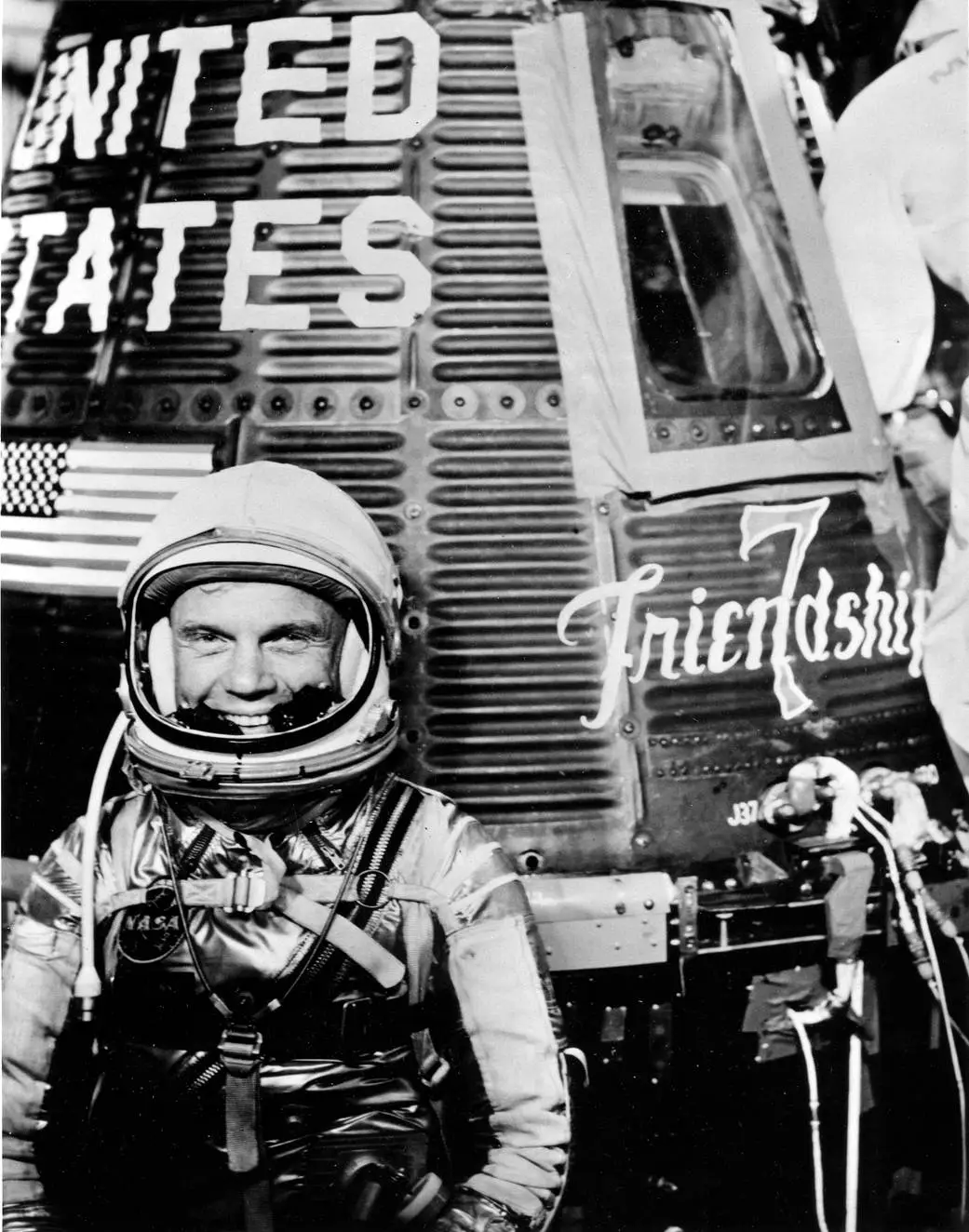
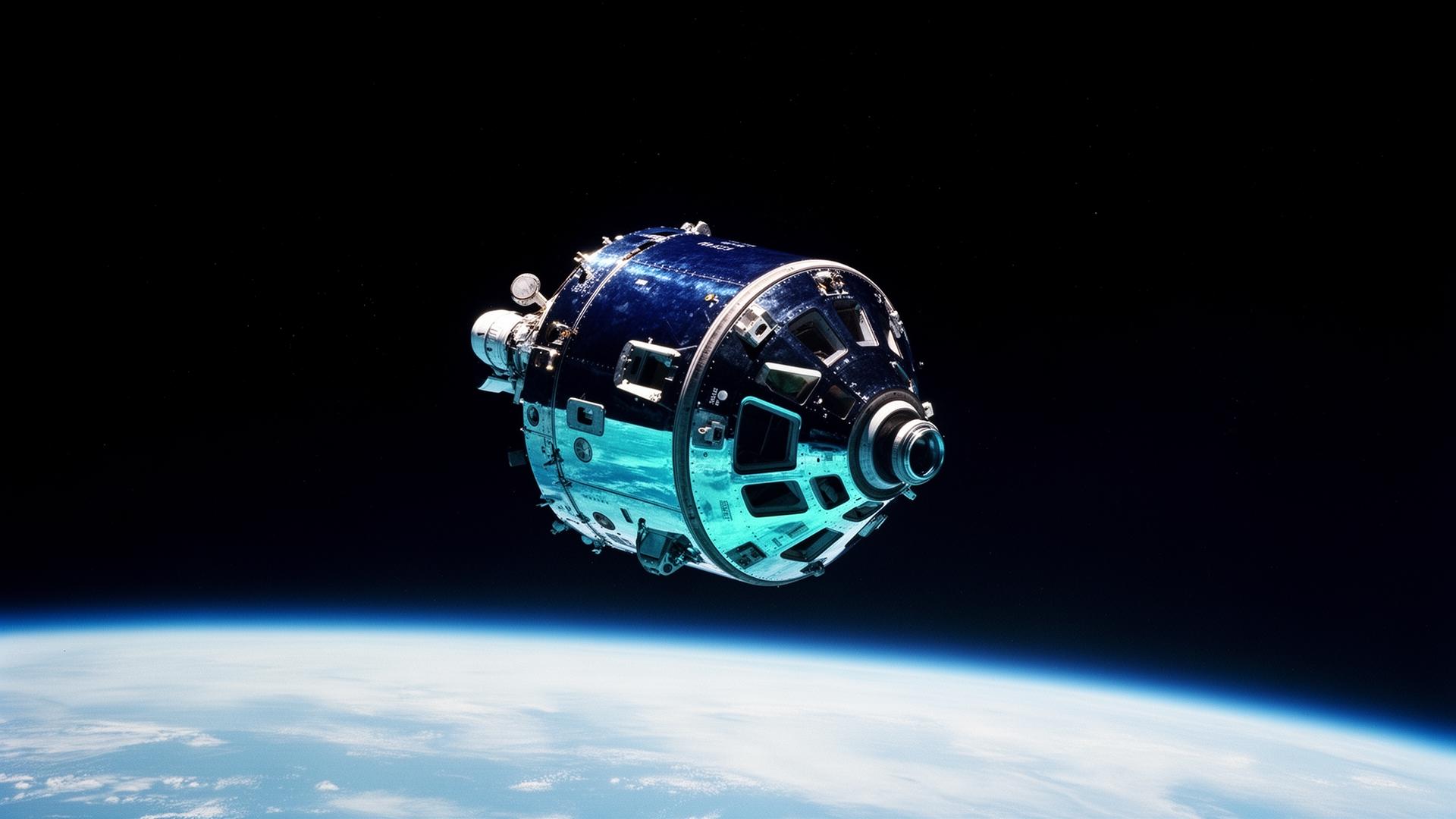
Friendship 7
America looked toward the sky.
John Glenn climbed into a spacecraft that was small, cramped, and barely large enough for one person. The mission carried the weight of a nation that had fallen behind in the Space Race. The question was no longer whether humans could reach space, but whether America could compete in a new technological era.
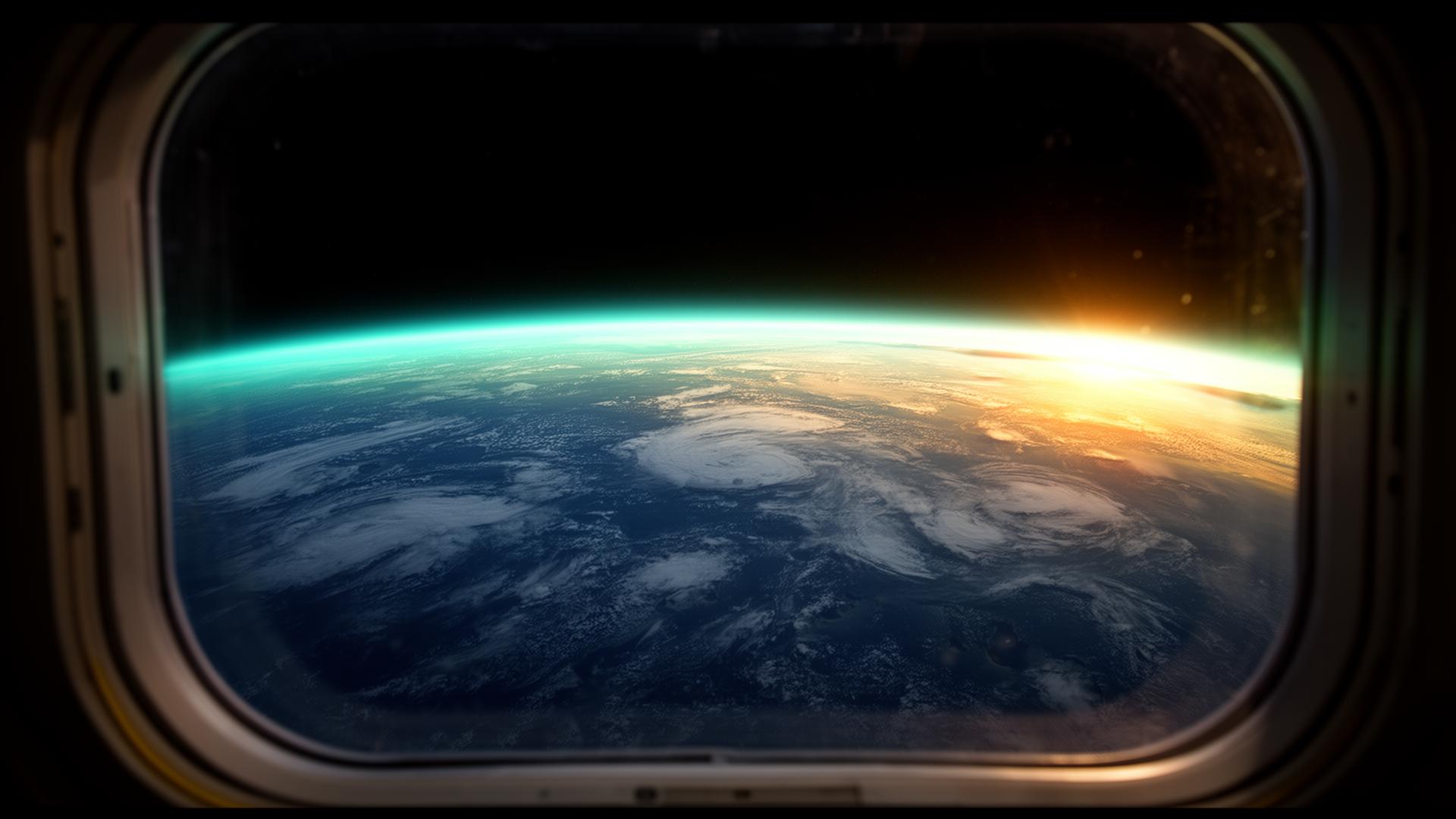
Then the engines ignited. Friendship 7 rose from Earth, and Glenn became the first American to orbit the planet. Yet the mission was never only about the person inside the capsule.
The people behind the mission
John Glenn was inside the capsule. He did not go alone.
Thousands of engineers, scientists, technicians, mathematicians, and programmers worked together on problems humanity had never faced. Among them were Black women helping push America toward the future while living under segregation and discrimination every day.
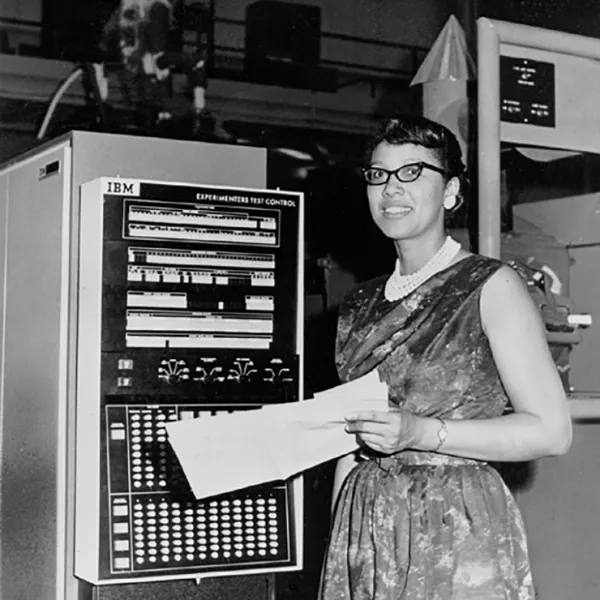
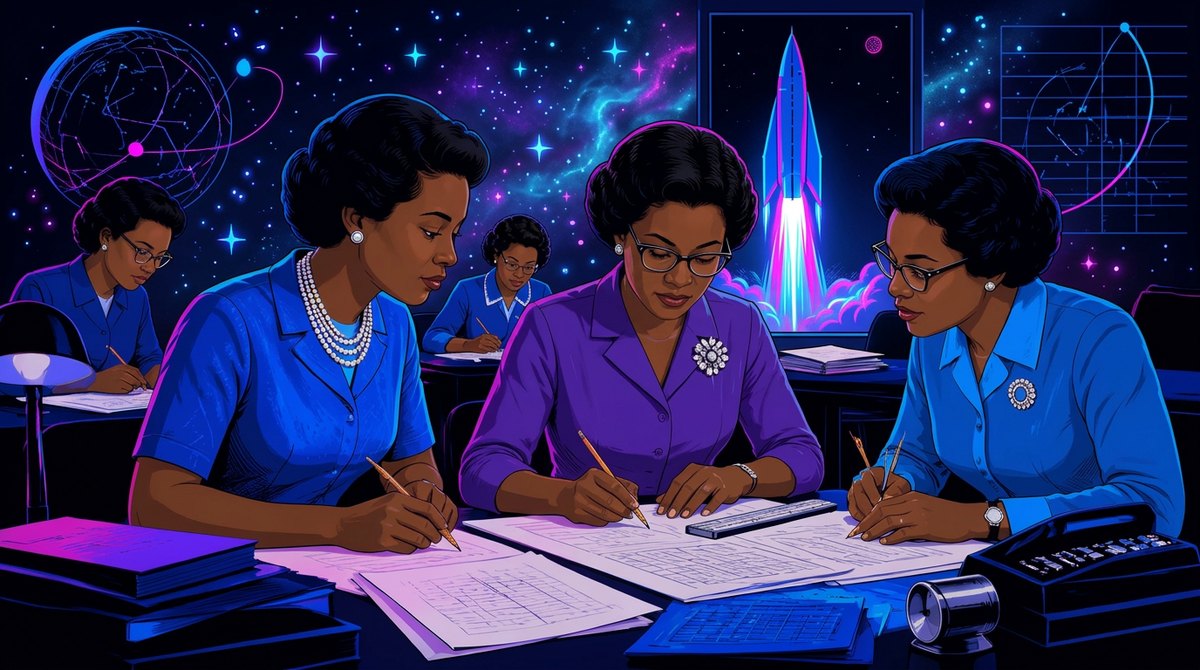
America was building rockets capable of escaping the atmosphere while millions still fought barriers built by society.
Katherine Johnson, Dorothy Vaughan, Mary Jackson, and other Black women performed calculations critical to the emerging space program. Their work exposed a profound contradiction: a country reaching beyond Earth while debating whether its own people could share the same classroom.
Those stories are connected because the future is built by people willing to challenge what everyone else accepts as normal. Talent was never the missing piece. Access was.
Before Glenn entered orbit, he asked Katherine Johnson to personally verify the electronic computer's trajectory calculations. The work was technical, collective, and essential. The recognition came much later.
Computing then and now
The word computer once meant a person.
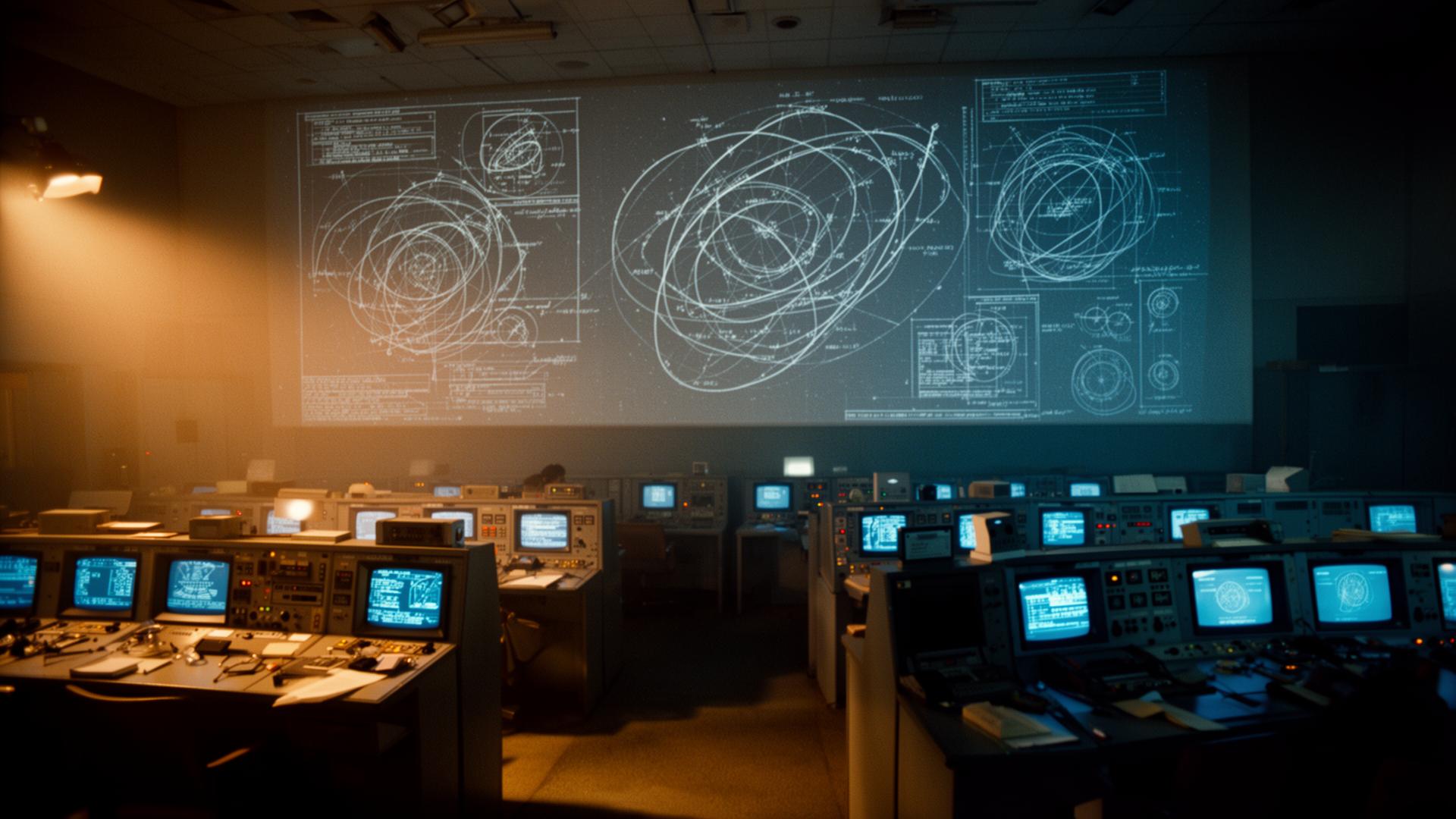
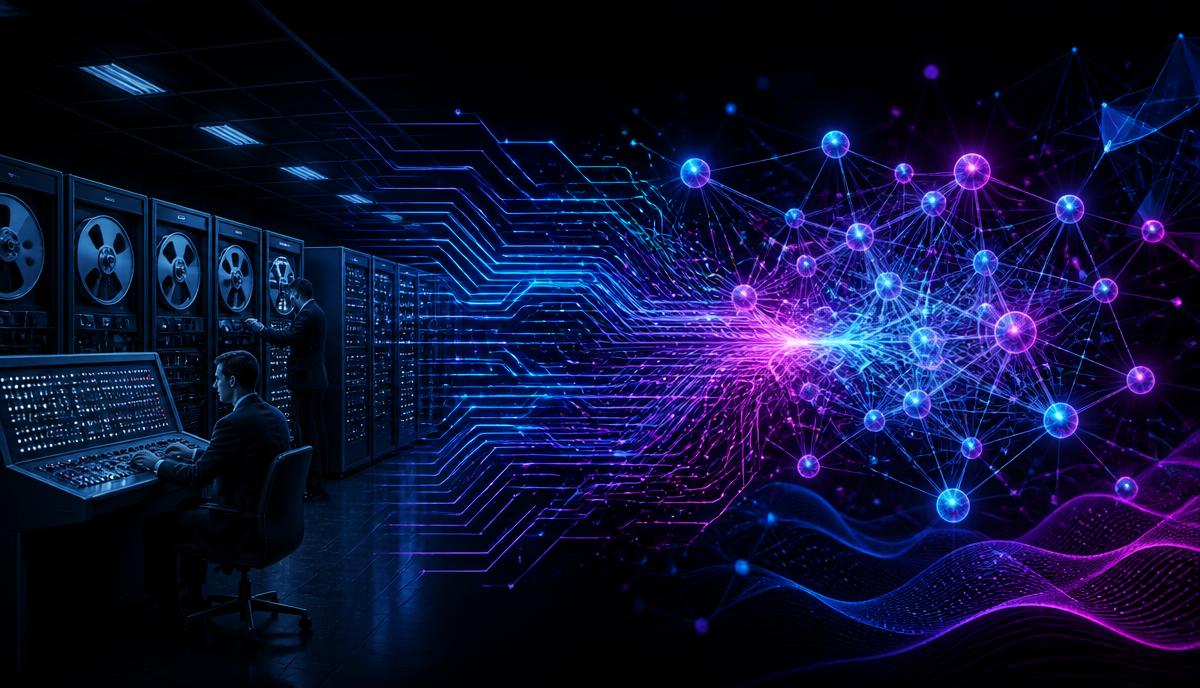
Human beings, many of them women, calculated trajectories, launch windows, orbital paths, reentry, communication, and tracking. Electronic computers were becoming more important, but the mission still depended on a new relationship between human judgment and machine speed.
Humans calculated. Machines calculated. Humans made decisions. Machines processed information. Together, they attempted something America had never done before.
Researchers were already imagining globally connected computer networks. The computer age was beginning, and no one fully understood where it would lead.
Our 1962 moment
Different technology. A familiar pattern.
Today, the world is again living through conflict, competition, and rapid technological change. Artificial intelligence is transforming how people learn, work, create, and communicate while society asks who will control it, who will benefit, and what happens when technology moves faster than our institutions.
The people of 1962 could not see smartphones, GPS, the internet, AI, global communication, or private spaceflight. They were simply standing at the edge of something new, just like us.
Periods of uncertainty are also periods of possibility.
Friendship 7 did not happen during a peaceful or perfect moment. It happened during division, fear, and contradiction. More than two million people across government and industry contributed to Project Mercury and America's first human spaceflights, combining skills no one person could have brought alone.
The lesson is not to wait until everything feels safe. We begin by learning, asking better questions, working together, experimenting, building, failing, and trying again. Problems in front of us may not be permanent limits. They may be the next barriers waiting to be broken.
Why F7 exists
The future does not arrive fully designed. It is built.
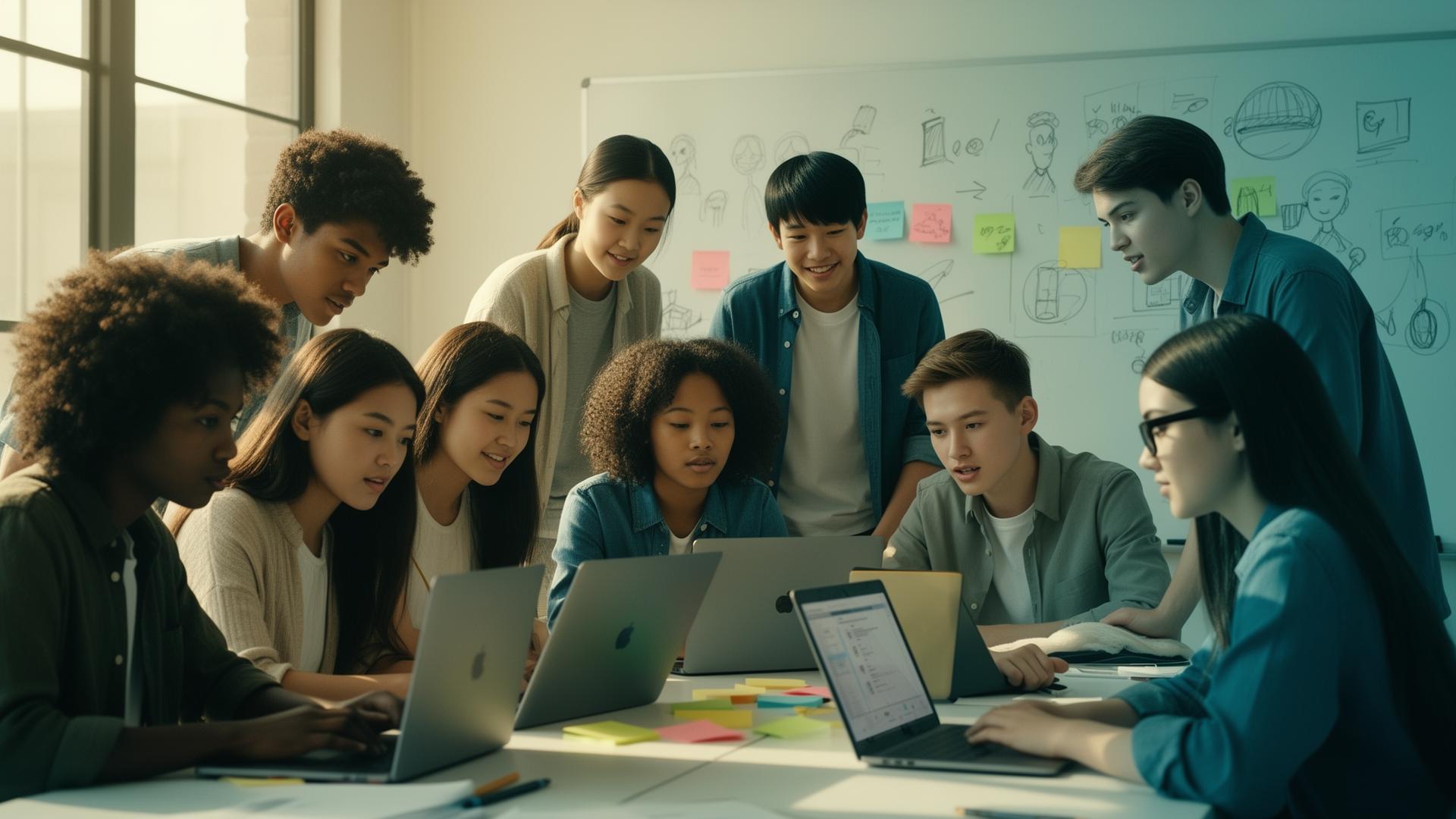
F7 Missions carries the spirit of Friendship 7 forward by putting meaningful problems, modern tools, and opportunities in front of young people whose talent is too often underestimated.
Students build practical skills, create work they can stand on, and develop the confidence to enter what comes next not as spectators, but as people ready to shape it.
How F7 works
Students learn by building what comes next.
F7 guides students from a challenge they choose to a working solution and a story they can share. Choose a step to see what happens inside a design sprint.
Discover
Become sensitive to the problem. Research, interviews, and immersion — learn all you can before deciding what the problem is.
What students carry forward
Not a finished lesson. Proof of what they can do.
Students leave with practical skills, a portfolio they can share, and something they can put in front of an employer, educator, or partner and say: I built this.