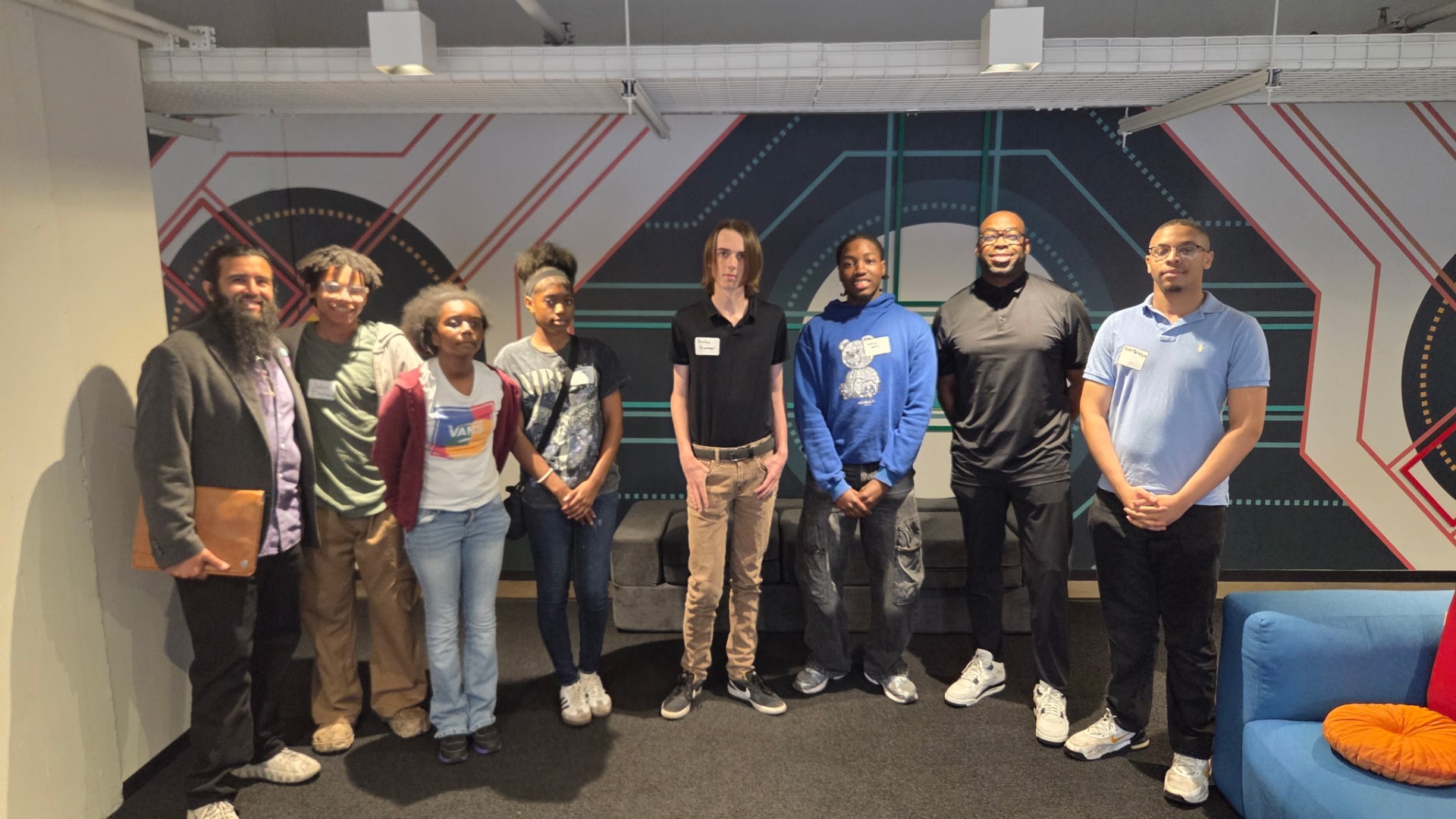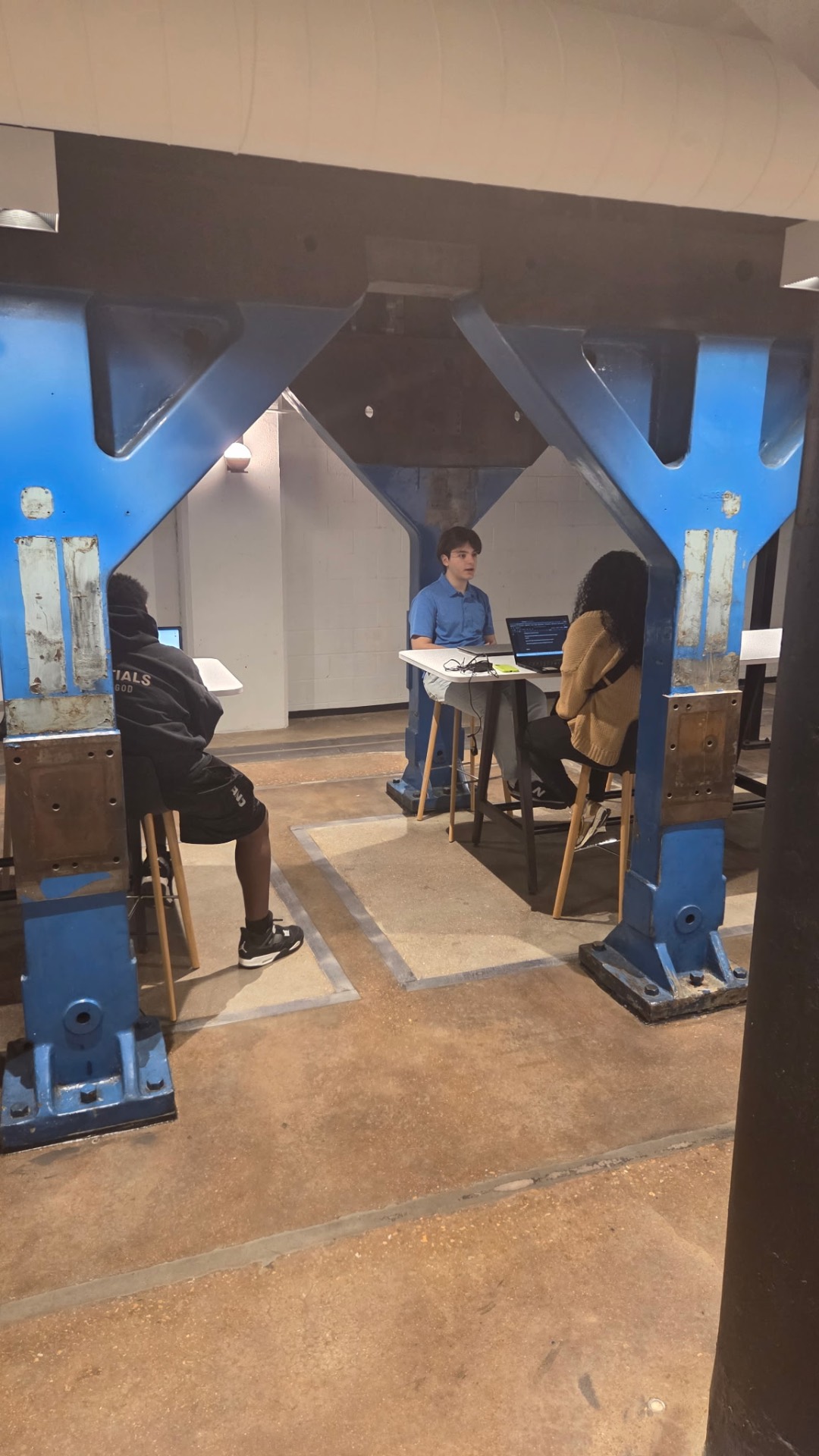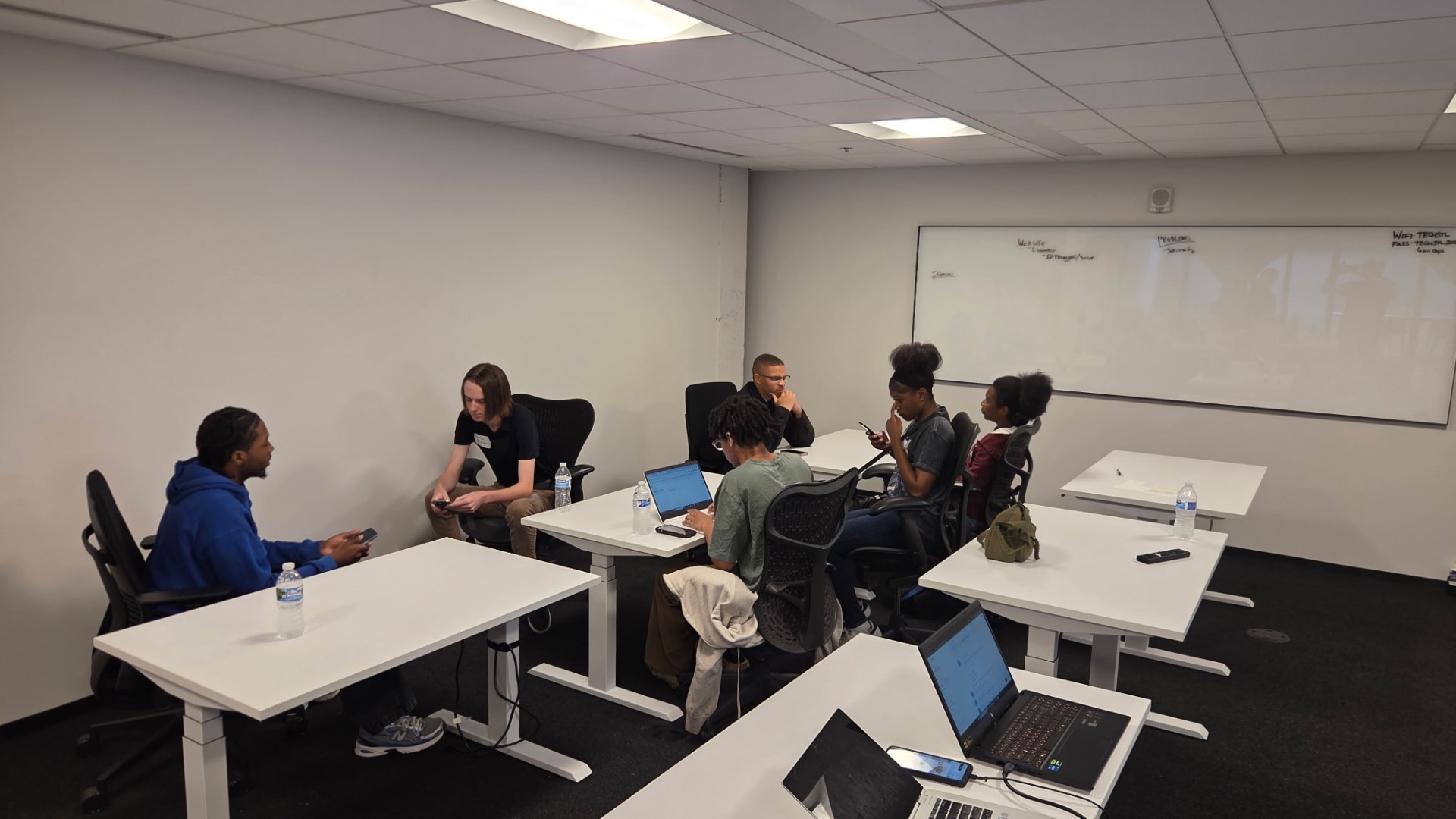
The pilot showed that high school students are capable of tackling complex challenges when they are given the right process, tools, mentorship, and time to build. Four things stood out clearly enough to change how we run the next cohort.
01 · Real challenges create deeper learning
Engagement rose when students worked on challenges they cared about. Instead of hypothetical assignments, they interviewed people, uncovered community needs, and designed with a clear purpose.
02 · AI accelerated learning, but did not replace critical thinking
Students used AI to research, brainstorm, troubleshoot, and build faster. Success still came down to asking better questions, evaluating what came back, making decisions, and iterating on feedback.
03 · Mentorship and collaboration accelerated everything
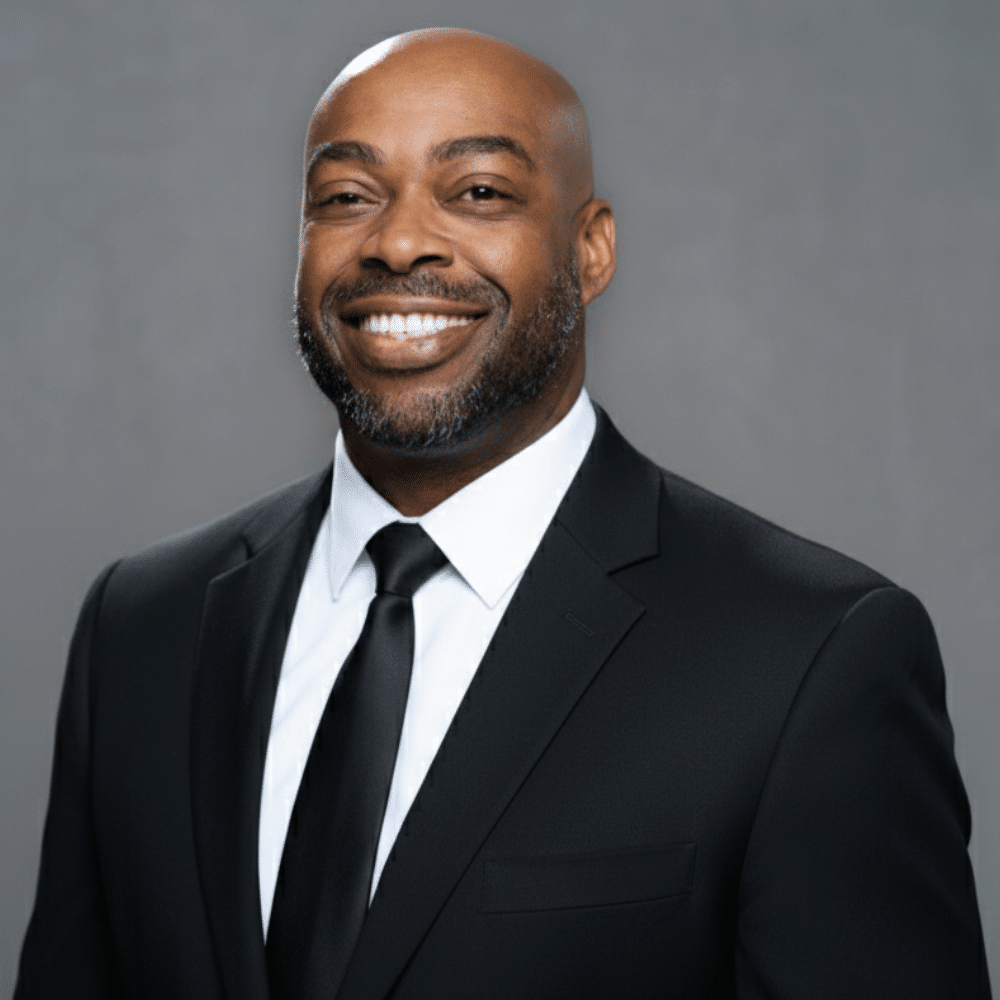
Weekly coaching from Omar Perkins, guest speakers, and peer critique gave students the confidence to ask questions, test ideas, and keep improving.
“The feedback from my peers gave me fresh eyes — eyes that weren't blinded by developer insight.”
04 · Educators can do far more than deliver instruction
Omar served as coach and mentor rather than lecturer, and the pilot revealed a real pathway for teachers to lead project-based learning in the summer and throughout the year — while getting paid for it.
When students are trusted with meaningful challenges, and educators are empowered to guide the process, innovation becomes something they practice — not something they learn about.